Join us in planting a tree at checkout to make a positive impact and support UK Veterans and social mobility. We're proud to partner with Carma to make this possible with every purchase you make.
Together, we can do great things and create a world where trees grow strong, the air becomes cleaner, and we have hope for the future. Even the small things we do, like planting a tree, can make a big difference. If we all work together, we can stop climate change and make the world greener for the next generations.
So let's start this amazing journey today and become heroes for the planet!
Powered by
Carma

Riding Hat Safety Standards Explained
Choosing a riding hat isn’t simply about style — it is one of the most important safety decisions a rider can make.
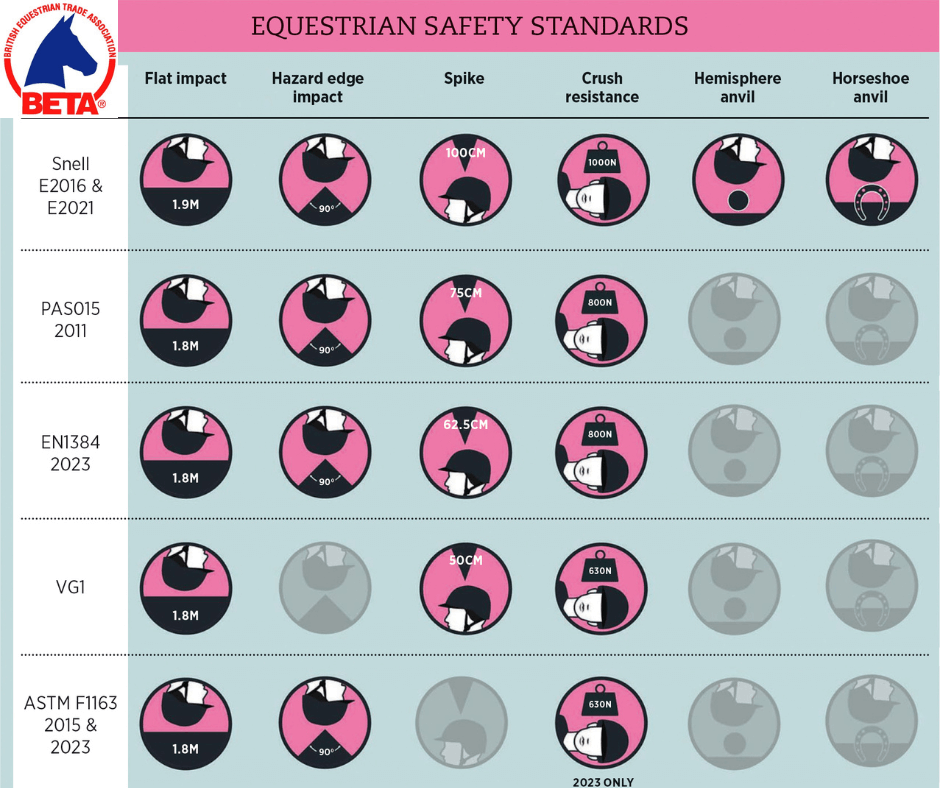
Riding hat safety standards are designed to test helmets against different types of impact and accident scenarios that can occur when riding or handling horses.
The recognised standards covered in this guide include:
PAS 015:2011
VG1 01.040 2014-12
ASTM F1163:2023
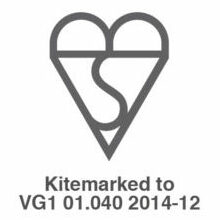
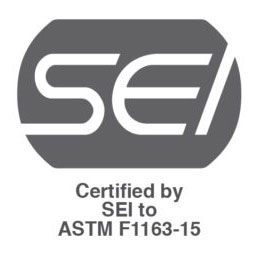
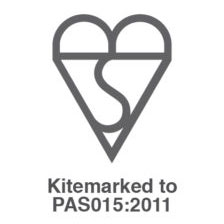
Each standard uses its own testing criteria, which means different standards can assess different aspects of helmet performance.
There are also additional equestrian helmet standards, including SNELL E2021, which subject helmets to further testing.
Why Multiple Safety Standards Matter
A helmet carrying more than one recognised certification may have successfully passed a broader range of tests.
However, the number of standards should never be considered in isolation. The most important thing is to choose a helmet carrying the appropriate current certification for your riding activity or competition, from a reputable manufacturer.
The Standard Is Only Part of the Protection
This is extremely important:
Even the highest-specification riding hat cannot provide its intended protection if it does not fit correctly.
A riding hat needs to be the correct size and shape for the individual rider's head. It should be professionally fitted wherever possible and remain secure and correctly positioned during use.
A poorly fitting helmet can move during an accident and may significantly compromise the protection it was designed to provide.
Riding Hat Standards for Competition
If you compete, the requirements become even more important.
Different governing bodies and equestrian disciplines can specify which riding-hat standards they accept. Requirements may vary between organisations and can change over time, so riders should always check the current rules of their governing body or event organiser before competing.
The required certification can normally be found on the label inside the riding hat.
Hat Tagging
At some competitions, training events and Pony Club activities, an authorised official may inspect the riding hat and attach a small coloured tag to the harness.
The tag provides a quick visual indication that the helmet's certification has been checked against that organisation's current requirements.
A hat tag does not confirm that the helmet fits the individual rider correctly.
Certification and correct professional fitting work together — you need both.
UK Delivery
Free UK Delivery on orders over £100
UK Standard Delivery – £3.95
International Delivery
International Tracked
Up to £50 = £20
Up to £100 = £25
Up to £150 = £30
Over £200 = £35
Returns
We accept returns on items returned to us in the original, saleable condition within 30 days
-
 Easy Returns, up to 30 days
 -
 Free UK Delivery on orders over £100
 -
 5 Star Customer Reviews
 -
 High Performance Quality Products Trusted by equestrians worldwide


As seen in